

Can You Drink Alcohol on Ozempic? What GLP-1 Users Need to Know
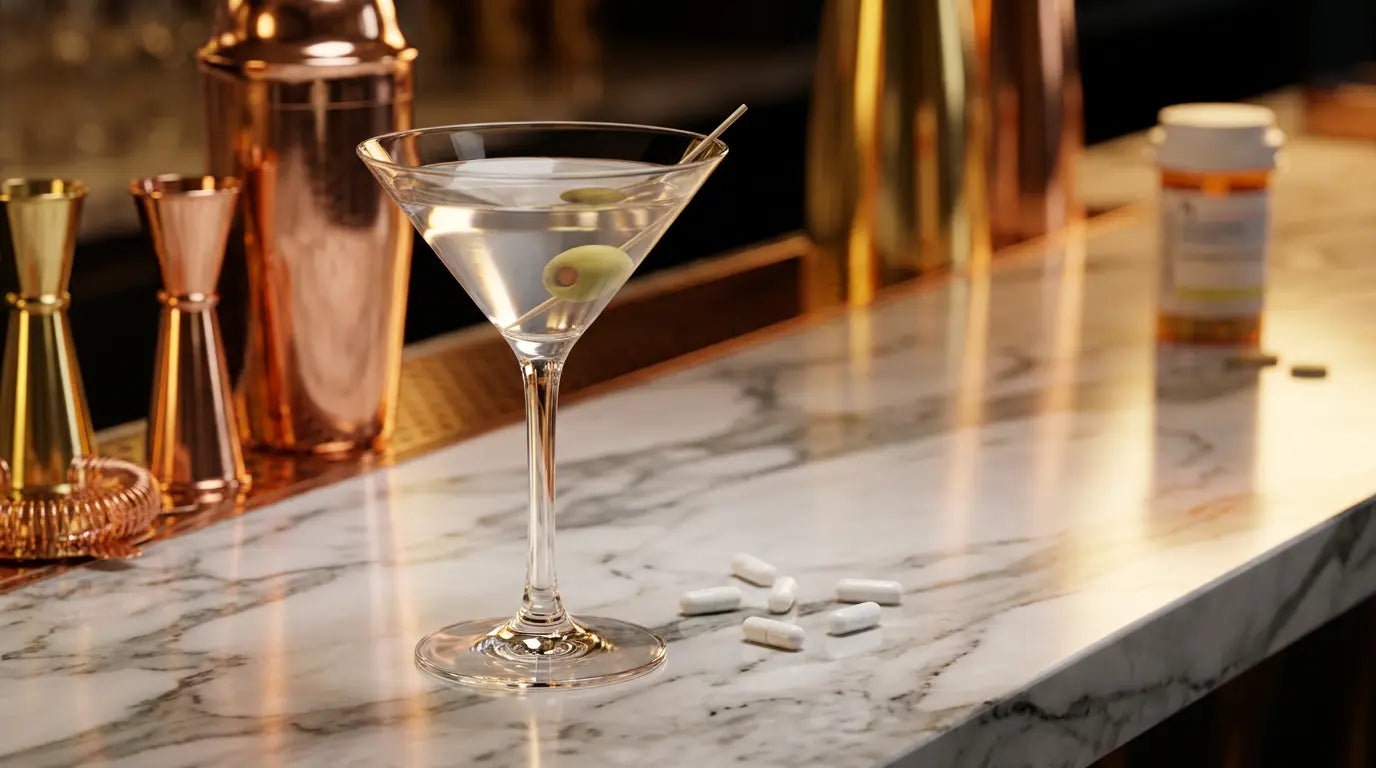
Many people taking Ozempic have the same question: can you still drink alcohol while using a GLP-1 medication?
The short answer is yes. Alcohol is not specifically prohibited while taking Ozempic. However, combining alcohol with Ozempic and other GLP-1 medications can affect how you feel and may increase certain side effects.
Some people find they tolerate alcohol differently after starting a GLP-1 medication. Others notice reduced interest in drinking altogether. Researchers are also investigating whether GLP-1 medications may influence alcohol cravings and alcohol-related behaviors.
If you're taking Ozempic, Wegovy, or another GLP-1 medication, here's what you should know before ordering your next drink.
What Is Ozempic and How Do GLP-1 Medications Work?
Ozempic is the brand name for semaglutide, a medication that belongs to a class of drugs known as GLP-1 receptor agonists.
GLP-1 medications work by mimicking a naturally occurring hormone that helps regulate blood sugar, appetite, and digestion. They can:
- Slow stomach emptying
- Increase feelings of fullness
- Reduce appetite
- Help regulate blood sugar levels
Other GLP-1 medications include Wegovy, Mounjaro, and Zepbound. Because these medications affect digestion, appetite, and metabolism, they can also influence how your body responds to alcohol.
Can You Drink Alcohol While Taking Ozempic?
In general, most healthcare providers do not prohibit moderate alcohol consumption while taking Ozempic.
That said, alcohol and Ozempic can produce overlapping side effects. When combined, some people may experience:
- Nausea
- Vomiting
- Stomach discomfort
- Dizziness
- Fatigue
- Dehydration
The experience can vary significantly from person to person. Some people notice little difference when drinking on Ozempic, while others report becoming more sensitive to alcohol or feeling unwell after consuming smaller amounts than usual.
If you're new to Ozempic, it may be wise to be cautious with alcohol until you understand how your body responds to the medication.
What Happens When You Drink Alcohol on Ozempic?
Slower Digestion May Change How Alcohol Feels
One of the primary effects of Ozempic is delayed gastric emptying, which means food and liquids move through the stomach more slowly.
Because alcohol is consumed through the digestive system, some people report that drinking feels different while taking a GLP-1 medication. The exact effect can vary, and researchers are still studying how delayed gastric emptying may influence alcohol absorption and subjective intoxication.
The important takeaway is that alcohol may not affect you exactly the same way it did before starting Ozempic.
Nausea and Digestive Symptoms May Be More Noticeable
Nausea is one of the most commonly reported side effects of GLP-1 medications.
Alcohol can also irritate the stomach lining and contribute to nausea. When these effects overlap, some people find that drinking alcohol worsens gastrointestinal symptoms.
If you've experienced nausea, vomiting, or stomach discomfort since starting Ozempic, alcohol may make those symptoms more noticeable.
Alcohol Can Increase Dehydration Risk
Alcohol acts as a diuretic, which increases fluid loss through urination.
At the same time, some people taking Ozempic eat and drink less because they feel full more quickly. This combination can make it easier to become dehydrated, especially during social events where alcohol consumption is accompanied by limited food and water intake.
Dehydration can contribute to headaches, fatigue, dizziness, dry mouth, and other symptoms commonly associated with a hangover. If you're curious about recovery timelines, learn more about how long hangovers normally last.
Blood Sugar Changes May Be More Significant
Alcohol can affect blood sugar levels in complex ways.
For people with type 2 diabetes, alcohol may increase the risk of blood sugar fluctuations, particularly when consumed without food. Since Ozempic is commonly prescribed for blood sugar management, it's important to be aware of how alcohol may influence your body's glucose response.
Anyone with diabetes should follow the guidance of their healthcare provider regarding alcohol consumption.
Does Ozempic Affect Alcohol Cravings?
One of the most interesting areas of emerging GLP-1 research involves alcohol cravings.
Many Ozempic users have reported a reduced desire to drink alcohol after starting treatment. Researchers are now exploring whether GLP-1 medications may influence reward pathways in the brain that contribute to cravings and addictive behaviors.
Early studies and real-world evidence suggest that semaglutide may reduce alcohol consumption and alcohol-related behaviors in some individuals. Scientists believe this effect may be related to how GLP-1 medications interact with dopamine-driven reward systems that influence motivation and cravings.
While Ozempic was not developed as a treatment for alcohol use disorder, the growing body of research in this area has attracted significant attention from scientists and healthcare professionals alike.
However, Ozempic is not currently approved to treat alcohol use disorder, and more research is needed before firm conclusions can be made.
For now, reduced alcohol cravings should be viewed as a promising area of research rather than a guaranteed effect.
Potential Risks of Combining Ozempic and Alcohol
While occasional alcohol consumption may be acceptable for many people taking Ozempic, there are several potential concerns to keep in mind.
- Increased nausea and digestive discomfort
- Greater risk of dehydration
- Dizziness or fatigue
- Blood sugar fluctuations
- Increased likelihood of unpleasant post-drinking symptoms
- Possible next-day anxiety or hangxiety
Heavy drinking can also undermine many of the health and wellness goals that lead people to start GLP-1 medications in the first place.
Some people attempt to manage next-day symptoms using approaches like hair of the dog, but focusing on hydration, rest, and recovery is usually a more supportive approach.
For that reason, moderation remains one of the most effective strategies for reducing risk.
Tips for Drinking Alcohol While Taking Ozempic
Eat Before Drinking
Avoid drinking on an empty stomach.
A balanced meal containing protein, healthy fats, and fiber may help slow alcohol absorption and reduce the likelihood of unpleasant symptoms.
Pace Yourself
Drink slowly and pay attention to how your body responds.
Because some people experience changes in alcohol tolerance while taking GLP-1 medications, it's often wise to start with less alcohol than you might normally consume.
Stay Hydrated
Drink water consistently throughout the evening.
Alternating alcoholic beverages with water may help reduce dehydration and support recovery the following day.
Pay Attention to Side Effects
If alcohol consistently causes nausea, stomach discomfort, dizziness, or other unpleasant symptoms while you're taking Ozempic, it may be worth reducing your alcohol intake or discussing the issue with your healthcare provider.
Supporting Recovery After Drinking
Even with careful planning, alcohol can still leave you feeling less than your best the next day.
Recovery after drinking typically involves rehydration, replenishing electrolytes, supporting normal metabolic processes, and getting adequate rest. Alcohol recovery is also influenced by factors such as sleep quality, food intake, hydration status, and the amount of alcohol consumed.
Alcohol is metabolized into acetaldehyde, a toxic byproduct that plays an important role in how the body responds to drinking. You can learn more about what acetaldehyde is and why it matters for post-drinking recovery.
Supporting your body before drinking may also help reduce the severity of next-day symptoms. Taking steps such as eating a balanced meal, staying hydrated, and preparing with evidence-based ingredients may help support your body's normal response to alcohol consumption.
Capsulyte's PREGAME was formulated with ingredients selected to support alcohol metabolism, antioxidant activity, and overall recovery support. While no supplement can prevent or cure a hangover, preparing before you drink may help support your body's natural recovery processes.
For more background on why drinking can leave you feeling unwell the next day, read our guide to what causes a hangover.
Key Takeaways
Ozempic and alcohol are not automatically incompatible, but the combination may affect people differently.
Because GLP-1 medications influence digestion, appetite, and metabolism, alcohol may feel different than it did before starting treatment. Some people experience increased nausea or dehydration, while others notice reduced interest in drinking altogether.
If you choose to drink while taking Ozempic, moderation, hydration, and paying attention to your body's response are often the most important strategies.
As research into GLP-1 medications continues to evolve, scientists may gain a better understanding of how these drugs influence alcohol consumption, cravings, and recovery. For now, making informed decisions and listening to your body's signals remains the best approach.
Sources
- National Institute on Alcohol Abuse and Alcoholism (NIAAA). Alcohol's Effects on the Body. Available at: https://www.niaaa.nih.gov/alcohols-effects-health/alcohols-effects-body
- National Institute on Alcohol Abuse and Alcoholism (NIAAA). Understanding Alcohol Use Disorder. Available at: https://www.niaaa.nih.gov/publications/brochures-and-fact-sheets/understanding-alcohol-use-disorder
- Novo Nordisk. Ozempic® (semaglutide) Injection Prescribing Information. Available at: https://www.novo-pi.com/ozempic.pdf
- Hendershot CS, Stangl BL, Claus ED, et al. Once-Weekly Semaglutide in Adults With Alcohol Use Disorder: A Randomized Clinical Trial. JAMA Psychiatry. 2025.
- Wang W, Volkow ND, Wang L, et al. Association of Semaglutide With Reduced Risk of Alcohol Use Disorder in Real-World Populations. Nature Communications. 2024.
- Klausen MK, Thomsen M, Wortwein G, et al. Effects of Exenatide on Alcohol Consumption and Drinking Behavior in Individuals With Alcohol Use Disorder. Addiction Biology.
- Cleveland Clinic. GLP-1 Agonists: What They Are, How They Work & Side Effects. Available at: https://my.clevelandclinic.org/health/treatments/13901-glp-1-agonists
- National Institute of Diabetes and Digestive and Kidney Diseases (NIDDK). Prescription Medications to Treat Overweight & Obesity. Available at: https://www.niddk.nih.gov/health-information/weight-management/prescription-medications-treat-overweight-obesity
Frequently Asked Questions
Read more
Why Does My Face Turn Red When I Drink? Alcohol Flush Reaction Explained
You have one glass of wine and your cheeks go red. Your face feels warm, your heart beats a little faster, and maybe you get a headache or feel slightly queasy. If this sounds familiar, you are e...
Read more
The Lowest-Calorie Alcohol: A Complete Guide to Drinking Lighter
If you are watching your calories but still want a drink, the good news is that some choices are far lighter than others. The even better news is that the rule is simple once you understand it. H...
Read more