

Super Bowl Hangover Relief: 12 Science-Informed Ways to Feel Better
The Super Bowl is America's biggest party, but the morning after can be brutal. If you're searching for how to feel better after a Super Bowl hangover, you're not alone. Many people wake up on Super Bowl Monday feeling the effects of celebratory drinks, salty snacks, and a late night.
Whether you overdid it on beer, cocktails, or champagne toasts, hangover symptoms like headaches, nausea, fatigue, and dehydration can make the day after the big game miserable. The good news is that there are evidence-informed strategies that may help ease symptoms and support a more comfortable recovery. If you want to understand the underlying biology, see what causes a hangover.
In this guide, we'll cover 12 science-informed ways to feel better after a Super Bowl hangover, explain why hangovers happen, and share prevention strategies that may help reduce the odds of a rough next day.
Why Super Bowl Hangovers Hit Differently
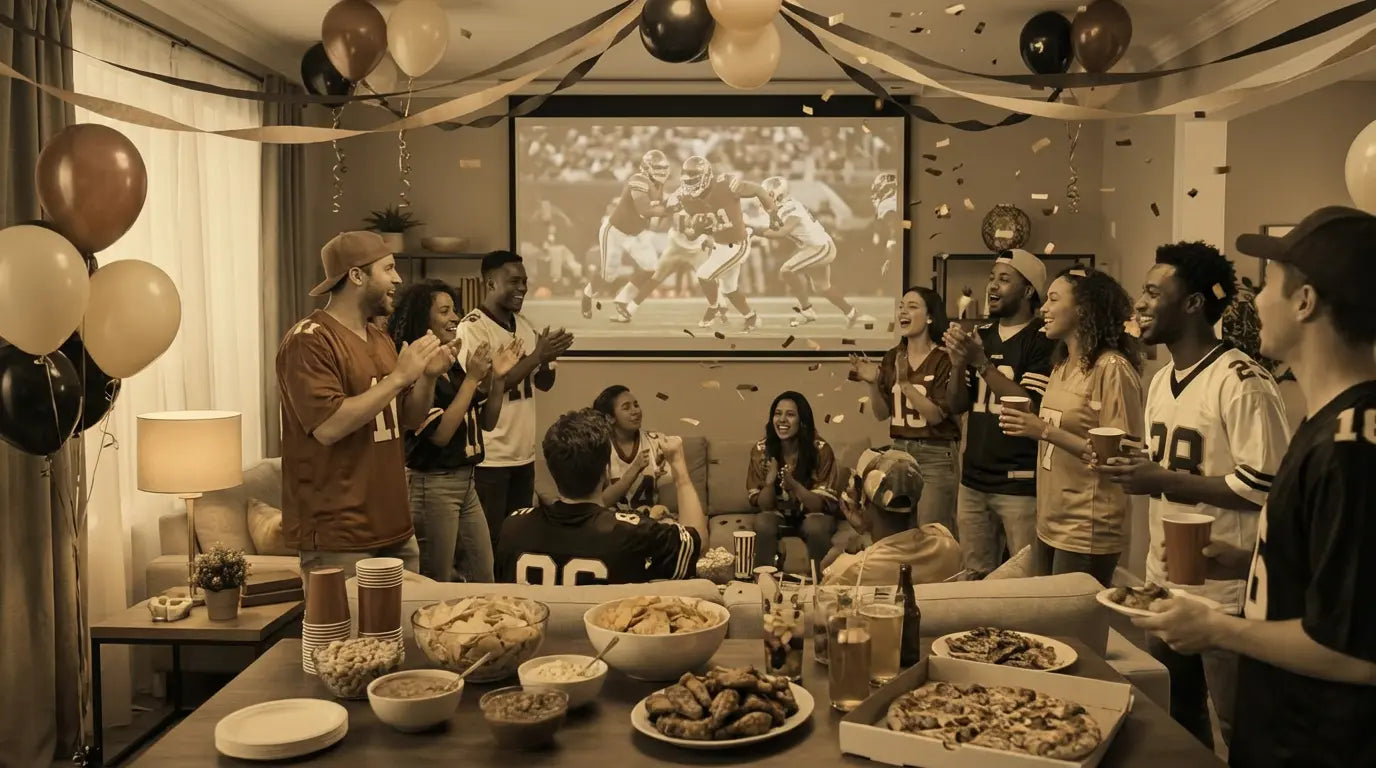
Super Bowl hangovers tend to be particularly rough, and there's a clear reason why. According to the National Institute on Alcohol Abuse and Alcoholism, several factors can combine to make Super Bowl Sunday especially challenging:
Extended drinking duration: Super Bowl parties often last 6 to 8 hours, which can lead to higher total alcohol intake than a typical night out.
Mixed drinks: Switching between beer, wine, and cocktails can make it harder to track how much you've had. Some beverages also contain congeners (byproducts of fermentation) that are associated with worse next-day symptoms in some research. During alcohol metabolism, the body converts ethanol into acetaldehyde, a toxic byproduct associated with many hangover symptoms.
Poor food choices: Game day foods are often high in salt and fat and low in nutrients that support normal metabolism and fluid balance.
Disrupted sleep: Late games and after-parties can mean less sleep, which can intensify next-day fatigue and brain fog.
Dehydration: Alcohol increases urine output, and many people forget to hydrate while focused on the game and socializing.
Understanding these factors helps explain why you feel so terrible, and what you can do about it.
12 Science-Informed Ways to Feel Better After a Super Bowl Hangover
1) Rehydrate Consistently
Dehydration is a major contributor to hangover symptoms. Alcohol can affect hormones involved in fluid balance, which can increase urine output and fluid loss.
What to do:
- Drink 16 to 20 ounces of water after waking
- Continue sipping water throughout the day (aim for 8 to 10 glasses)
- Room-temperature water may feel easier on the stomach than ice-cold water
Pro tip: Keep a water bottle by your bed so you can start hydrating as soon as you wake up.
2) Replenish Electrolytes
Water alone is not always enough. Alcohol-related fluid loss can also affect electrolytes like sodium, potassium, and magnesium.
What to do:
- Use electrolyte beverages (for example, oral rehydration solutions, sports drinks, or coconut water)
- Eat potassium-rich foods (bananas, avocados, sweet potatoes)
- Consider an electrolyte powder mixed with water
Restoring fluid and electrolyte balance may help support energy levels and reduce symptoms like weakness and headache for some people.
3) Eat a Nutrient-Dense Breakfast
Alcohol can contribute to blood sugar fluctuations, which may worsen fatigue and irritability. A balanced breakfast can help stabilize energy and provide nutrients your body needs during recovery.
Best hangover breakfast foods:
- Eggs: provide protein and amino acids that support normal metabolism
- Whole grain toast: provides steadier energy than refined carbs for many people
- Avocado: provides potassium and healthy fats
- Bananas: easy to digest and a source of potassium
- Oatmeal: gentle on the stomach and provides sustained energy
Avoid: very greasy foods if your stomach is sensitive, since they can worsen nausea for some people.
4) Consider Vitamin B Support
Alcohol intake can affect nutrient status, including certain B vitamins involved in energy metabolism.
What to do:
- Take a B-complex supplement with food (if appropriate for you)
- Eat B-vitamin-rich foods like eggs, leafy greens, and whole grains
- Consider a multivitamin if you already use one routinely
Some research suggests higher B vitamin intake may be associated with reduced hangover severity, and it may be most useful as part of a prevention-focused routine.
5) Try Light Movement (If You Feel Up To It)
Gentle movement will not "sweat out" alcohol, but it may help some people feel slightly better by improving mood and reducing stiffness.
Possible benefits of light activity:
- May improve mood
- May help with stiffness and lethargy
- May provide a mental reset
What to do:
- Take a 15 to 20 minute walk
- Try gentle yoga or stretching
- Avoid intense workouts, especially if you feel dehydrated or dizzy
Important: only move if you are hydrated, have eaten something, and feel steady. Skip exercise if you feel worse.
6) Try Ginger for Nausea
Ginger is commonly used for nausea support and has research backing in several nausea contexts.
What to do:
- Drink ginger tea (fresh ginger steeped in hot water)
- Use ginger chews or candies
- Add fresh ginger to smoothies
7) Use Pain Relievers Carefully
Headaches are common with hangovers, but not all pain relievers are a good idea after drinking.
Common options people consider:
- Ibuprofen: may help some people, but it can irritate the stomach
- Aspirin: may help headaches, but it can also irritate the stomach
Avoid:
- Acetaminophen (Tylenol): avoid using it after drinking because it can increase liver strain
- Taking pain relievers on an empty stomach
Best practice: If you take any medication, follow label directions and consider checking with a clinician if you have liver issues, stomach ulcers, take other medications, or drank heavily.
8) Rest and Sleep
Your body needs time to return to baseline. Sleep disruption from alcohol can amplify hangover symptoms. Some people also experience anxiety after drinking, sometimes referred to as hangxiety.
What to do:
- Take a short nap if possible
- Rest in a dark, quiet room if you have a headache
- Reduce screen time if light sensitivity is an issue
9) Drink Coffee in Moderation (If It Agrees With You)
Some people find caffeine helps with fatigue or headache, but it can worsen jitters or stomach upset. It also does not replace hydration.
What to do:
- Limit to 1 to 2 cups
- Drink extra water alongside coffee
- Skip caffeine if you are nauseated or anxious
10) Try Broth or Soup
Warm liquids can be easier to tolerate while providing fluids, sodium, and simple nutrients.
Options:
- Broth or stock
- Chicken noodle soup
- Miso soup
- Vegetable broth
11) Take a Cool or Lukewarm Shower
A shower will not "detox" alcohol, but it can help you feel more alert and comfortable.
Benefits:
- May increase alertness
- May provide a sensory reset
- May help you feel more comfortable
Pro tip: Avoid very hot showers if you feel lightheaded or dehydrated.
12) Give It Time
There is no instant hangover fix. Your body needs time to metabolize alcohol and recover from sleep disruption and fluid imbalance.
What to do:
- Be patient with yourself
- Use comfort measures (fluids, food, rest)
- Avoid "hair of the dog," which may delay recovery for many people
In some cases, symptoms can persist longer than expected, sometimes referred to as a two-day hangover.
The Smarter Approach: Reduce Hangover Risk
Next-day strategies may help you feel better, but reducing hangover risk usually starts before the party.
Basics that can help:
- Pace alcohol intake
- Eat before and while drinking
- Alternate alcohol with water
- Prioritize sleep
Additional Super Bowl Party Tips to Minimize Next-Day Discomfort
Beyond the basics, these strategies may help reduce how rough the next day feels for some people.
Pace Your Drinking
- Alternate alcoholic drinks with water (1 to 1 ratio)
- Set a limit before you start drinking
- Avoid drinking games and shots
- Sip slowly rather than gulping
Choose Your Drinks Wisely
- Lighter-colored spirits (vodka, gin) generally contain fewer congeners than some darker spirits
- Avoid very sugary mixed drinks if they upset your stomach or spike and crash your energy
- Stick to one type of alcohol to make it easier to track intake
Eat Before and During Drinking
- Have a substantial meal before the party
- Prioritize protein and healthy fats
- Snack throughout the game
- Balance salty foods with fluids
Set Yourself Up for a Better Morning
- Prep water, electrolytes, and easy breakfast foods before the party
- Plan transportation in advance
- Do not feel pressured to match someone else's pace
Conclusion
Knowing how to feel better after a Super Bowl hangover can make the morning after more manageable. Hydration, electrolytes, food, rest, and careful medication choices may help you feel more comfortable, while pacing and preparation can make the next day easier in the first place.
Quick recap:
- Hydrate consistently (water plus electrolytes)
- Eat a nutrient-dense meal
- Consider B vitamin support
- Try gentle movement if you feel up to it
- Use ginger for nausea
- Use pain relievers carefully (avoid acetaminophen after drinking)
- Rest and sleep
- Use caffeine cautiously
- Try broth or soup
- Take a cool shower
- Give it time
Want a Simple Before-You-Drink Routine?
Recovery strategies can help the morning after, but prevention often starts before the first drink. Hydration, pacing alcohol intake, eating beforehand, and prioritizing sleep can all help reduce the likelihood of a difficult next day.
If you are building a routine for social events or celebrations, you can explore Pregame as part of a preparation-focused approach.
Read more

Best Medicine for Hangover Headache: What Experts Recommend
Hangover headaches are brutal, but choosing the right painkiller can make a world of difference. Understanding how common painkillers like NSAIDs and acetaminophen work can help you relieve pain sa...
Read more
How to Reduce Hangover Risk on Valentine’s Day: Date Night and Party Survival Guide
Valentine's Day is meant for celebration, whether you're toasting with your partner over a romantic dinner or raising glasses with friends at a singles party. But waking up with a headache, nausea,...
Read more