


Medications To Help Stop Drinking Alcohol: What You Need To Know
Quitting alcohol can be incredibly difficult. This is especially true because long-term drinking alters the brain’s reward and stress systems, which can lead to withdrawal symptoms and powerful urges to drink.
FDA-approved medications like naltrexone, acamprosate, and disulfiram can go a long way toward easing these symptoms to support recovery. Keep reading as we explain how these drugs work and what you can expect from each option.
How Alcohol Use Disorder (AUD) Affects the Brain
According to the National Institute on Alcohol Abuse and Alcoholism (NIAAA), alcohol abuse can harm the regions of the brain that govern motivation, memory, sleep, impulse control, attention, and many other important functions.
In addition, its effects on the brain drive both reward and relief, which can push those with AUD to keep drinking, even as their alcohol tolerance increases. Heavy alcohol use actually alters brain circuits to produce cravings, strong negative emotions, and difficulties with decision-making.
These neurological changes can make alcohol withdrawal unbearable, making it extremely difficult to stop drinking.
The Most Common Medications for AUD
Although heavy alcohol use can alter the brain and make withdrawal very difficult, several FDA-approved medications can lessen these symptoms and help you successfully quit drinking.
Naltrexone
This is one of the most commonly used medications for AUD because it actually makes drinking feel less rewarding. Naltrexone works by blocking the opioid receptors that mediate alcohol cravings. It’s available as a daily pill or as a monthly injectable, and is considered to be most effective for those struggling with heavy drinking or repeated relapse of AUD.
It’s worth noting that although naltrexone is well tolerated by most people, it’s not a good choice for users of opioids (because it blocks their effects) or anyone with a severe liver condition.
Acamprosate
This medication helps the brain restore balance after it’s been disrupted by long-term alcohol use. In particular, it can help to balance the glutamate and GABA pathways, which are involved in regulating stress, calm, and excitation.
By stabilizing these pathways, acamprosate can reduce alcohol withdrawal symptoms like anxiety, insomnia, restlessness, and more (which can trigger relapse). In contrast to naltrexone, acamprosate doesn’t actually reduce cravings directly, but it does make withdrawal symptoms less uncomfortable.
Disulfiram
Disulfiram works very differently from other medications for AUD. Rather than reducing cravings or withdrawal symptoms, it works as a deterrent to drinking by interfering with the body’s ability to break down alcohol.
When someone drinks alcohol while taking disulfiram, it causes immediate, unpleasant symptoms due to buildup of acetaldehyde: flushing, nausea, vomiting, rapid heartbeat, and headache. This incentivizes alcohol avoidance, which can help prevent relapse.
Disulfiram is only effective when taken consistently, however, so it’s a good fit for those who are highly motivated to recover or are recovering in supervised treatment settings.
Off-Label Medications
There are a couple medications that are commonly used off-label for AUD:
- Topiramate: Can reduce cravings, but can also cause cognitive side effects, such as brain fog.
- Gabapentin: May reduce anxiety and sleep issues due to withdrawal.
Like all prescription medications, off-label use depends on the judgment of your doctor, so make sure to discuss these options carefully with a qualified medical professional.
Support Your Body’s Recovery With PREGAME
Taken before a night of drinking, Capsulyte’s PREGAME supports the body’s own ability to bounce back from alcohol consumption. It’s formulated with evidence-based ingredients like antioxidant Clovinol®, anti-inflammatory DHM, NAC, and liver-protective Siliphos®.
Visit the Capsulyte blog to find more evidence-based advice on managing post-drinking symptoms!
Frequently Asked Questions
Read more
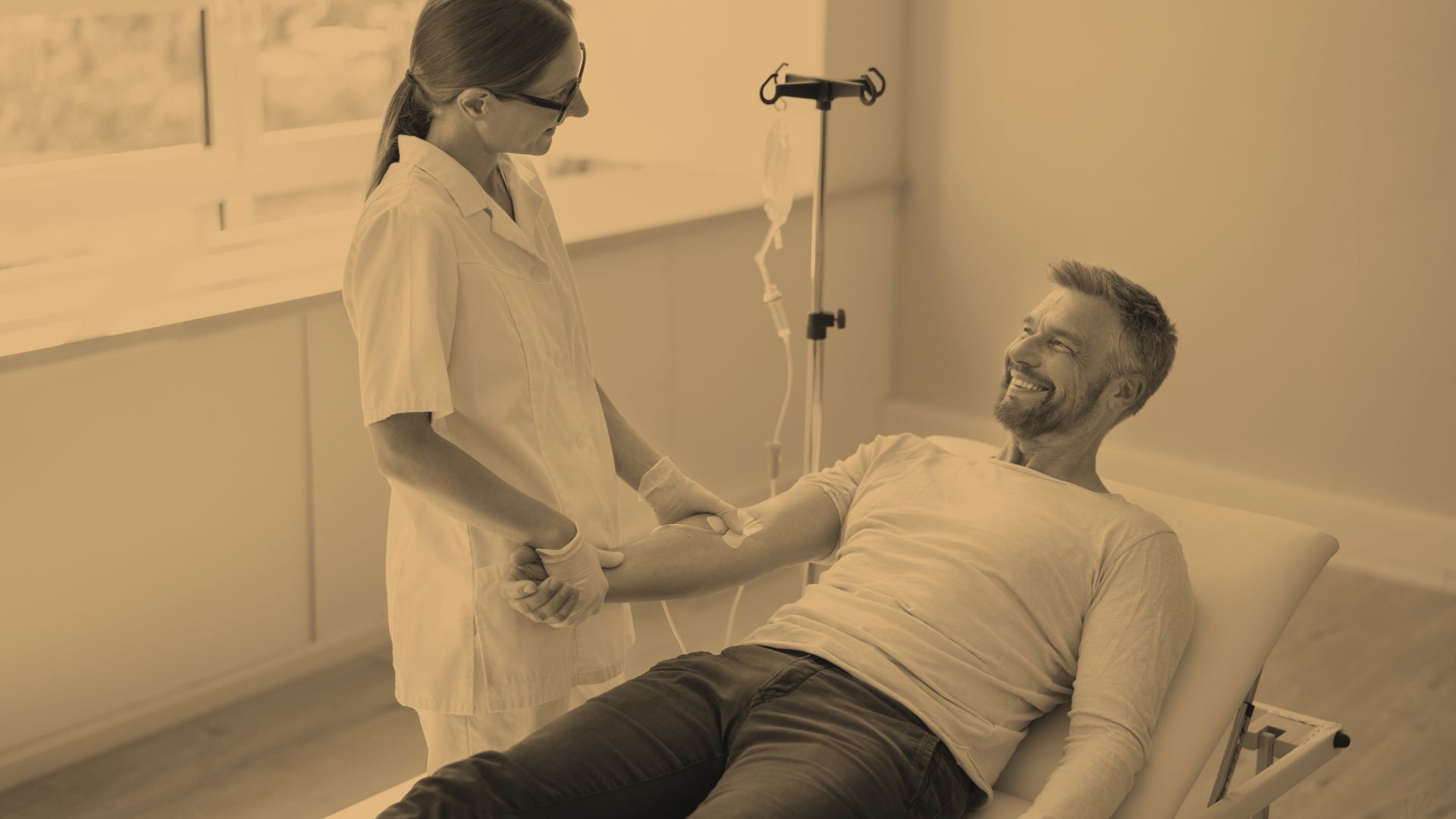
IV Therapy for Hangover: What It Is and How It Helps You Recover
When you wake up with severe hangover symptoms and the usual solutions don’t seem to be working, it’s unpleasant enough to make you seek out more drastic remedies. One of them—and one that’s been g...
Read more
What To Take Before Drinking Alcohol To Reduce Post-Drinking Symptoms: 7 Tips
Preparing your body before you drink can make a huge difference in the way you feel the next day. You can help your body manage alcohol consumption and bounce back from post-drinking symptoms by su...
Read more