

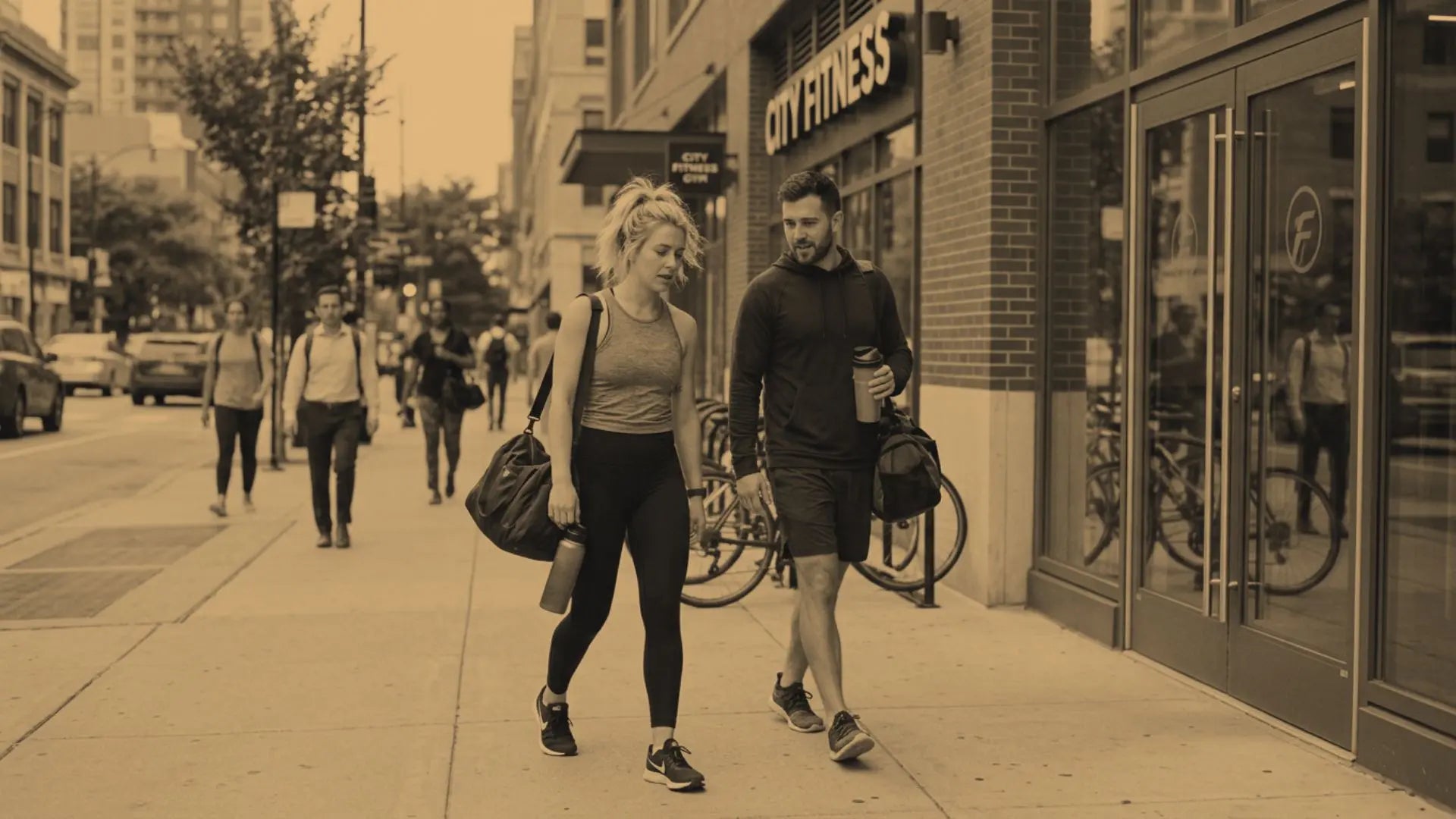
Can You Sweat Out a Hangover? What Science Says About Exercising After Drinking
It is a common belief that you can "sweat out" a hangover with a workout. Some people swear by a morning run or gym session after a night of drinking. But what does science actually say about exercising with a hangover?
Short answer: Exercise does not make a hangover go away faster. Sweating does not speed up alcohol metabolism. Light activity may temporarily improve mood through endorphin release, but alcohol is cleared by the liver at a rate exercise cannot meaningfully change.
In this guide, we break down what research suggests about exercise and hangovers, which workouts may be safer if your symptoms are mild (and which can make things worse), and what tends to work better than pushing through a hard session.
The Truth About "Sweating Out" a Hangover
Let’s address the biggest myth first: you cannot sweat out a hangover.
"By trying to do so, you further dehydrate your body leading to more detrimental effects," explains Dr. Damion Martins, a sports medicine physician and Director of Executive Health, Orthopedics and Sports Medicine at Atlantic Health System.
How Your Body Actually Processes Alcohol
When you drink alcohol, your liver is responsible for metabolizing it. Alcohol metabolism occurs through a series of steps, including the formation of acetaldehyde (a toxic intermediate) before it is converted into acetate.
What does not speed up alcohol metabolism:
- Sweating
- Exercise
- Saunas or steam rooms
- Drinking coffee
- Cold showers
According to Harvard Health, only about 10% of alcohol leaves your body through urine, breath, and sweat. The other 90% must be metabolized by your liver, and there is no reliable way to meaningfully speed up this process.
How Long Does Alcohol Stay in Your System?
On average, the body metabolizes roughly one standard drink per hour, though this varies by body size, biological sex, food intake, hydration status, genetics, and overall health. This is why exercising cannot "burn off" alcohol or make a hangover resolve faster. Your liver still has to complete alcohol metabolism at its own pace.
The Dehydration Problem
Alcohol is a diuretic, meaning it increases urine output and fluid loss. Dehydration is a major contributor to hangover symptoms like headaches, fatigue, dizziness, and dry mouth.
When you exercise while hungover, you lose additional fluids through sweat, which can:
- Worsen dehydration
- Intensify headaches
- Increase dizziness and nausea
- Reduce physical performance
- Contribute to drops in blood pressure in some people
The bottom line: Trying to sweat out a hangover through intense exercise often makes you feel worse, not better.
What Science Suggests About Exercise and Hangovers
While you cannot sweat out a hangover, exercise may relate to hangover experience in two different ways: long-term fitness patterns and short-term symptom management.
Regular Exercise May Be Associated With Less Severe Hangovers
Some newer research suggests that people who engage in regular vigorous exercise may report less severe hangover symptoms and a lower likelihood of hangovers. A plausible explanation is that consistent exercise supports metabolic health and sleep quality, both of which influence how the body responds to alcohol.
Important distinction: Any potential benefit appears to come from regular exercise habits before drinking, not from working out while you are already hungover.
Light Exercise After Drinking and the Endorphin Effect
If you are already hungover, light exercise may provide some relief for some people, but not because it detoxifies your body. One reason some people feel better after a gentle workout is endorphin release, which can temporarily improve mood and the perception of discomfort.
For context, see: The New York Times.
This is a temporary symptom-masking effect, not a cure.
When Exercise Might Help (And When It Won’t)
Whether exercise helps or hurts depends on symptom severity, hydration status, sleep quality, and the type of workout.
Factors That Determine If You Should Exercise
Exercise might be reasonable if:
- You had only a small amount to drink
- You are hydrating well and can keep fluids down
- You ate normally
- You slept at least 6 hours
- Your symptoms are mild
- You are completely sober (not still tipsy)
- You stick to low-intensity activity
Skip exercise if:
- You are still intoxicated or feel impaired
- You are severely dehydrated
- You are nauseated or vomiting
- You have a severe headache or migraine symptoms
- You slept very little (for example, under 4 hours)
- You are dizzy, lightheaded, or unsteady
- You drank heavily
Worst Exercises When You’re Hungover
These are more likely to worsen symptoms or increase risk:
1) High-Intensity Interval Training (HIIT)
Why to avoid: Rapid dehydration and high cardiovascular strain.
2) Heavy Weightlifting
Why to avoid: Coordination and strength may be compromised, which increases injury risk.
3) Long-Distance Running
Why to avoid: Significant fluid loss and impact can worsen headaches in some people.
4) Hot Yoga or Heated Classes
Why to avoid: Heat plus dehydration increases risk of dizziness and fainting.
5) Boot Camp or CrossFit-Style Classes
Why to avoid: Complex movements and competitive pacing can push you beyond safe limits.
The Bottom Line
So, can you sweat out a hangover? No. You cannot sweat out alcohol, and exercise does not meaningfully speed up alcohol metabolism. Light movement may help some people feel slightly better temporarily, but intense workouts often worsen dehydration and symptoms.
In some cases hangover symptoms can last longer than expected, sometimes referred to as a two-day hangover. Trying to "push through" intense exercise during that time can make recovery harder.
And while exercise may temporarily improve mood, it does not address other common hangover effects like hangxiety that can appear the next day.
If you decide to move, keep it low intensity, hydrate, eat something light, and stop if symptoms worsen.
Frequently Asked Questions
Read more

The Complete St. Patrick’s Day Hangover Prevention Guide: Before, During, and After
St. Patrick’s Day is one of the biggest drinking holidays of the year. From early brunches to late-night pub crawls, it is easy for a few celebratory drinks to turn into next-day regret. The good n...
Read more
Does Lemon Water Help Hangovers? What Science Says
You wake up with a headache, nausea, and that familiar "never again" feeling. Someone suggests lemon water to "detox" and fix your hangover. But does lemon water help hangovers, or is it mostly a m...
Read more